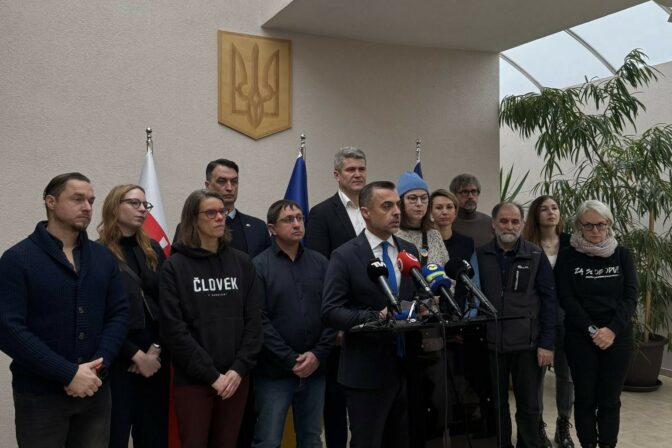
BRATISLAVA, March 12, (WEBNOVINY) — Representatives of thirteen foreign chambers of commerce in Slovakia on Monday called upon the new government that will come out of elections held on Saturday to lead an open and constructive dialogue with the business community and respect general business interests in its program.
Addressing a seven-point call to the future government, the chambers want to preserve the most important changes in the revised Labor Code. Important is transparent and effective public procurement and education reform to better reflect the needs of the labor market. The call includes a request for improvement of the local business environment via better law enforcement and predictability of the legal system. Foreign investors expect the new government to reduce red tape and defend interests of the Slovak economy in the EU more effectively.
“Important is that the new government, whether one-color or any other, shows interest in communication with the business sector,” President of the American Chamber of Commerce (AmCham) in Slovakia Igor Kottman told reporters. Decisions of the new government must contribute to avoid dramatic deterioration of the business environment in Slovakia.
Foreign investments are the driving force of the local economy, according to Kottman. “However, local businesses should not be forgotten; they should not be put at a disadvantage compared with foreign investors,” he added. “It will be of importance whether the government will be interested in making the business environment in Slovakia attractive for anyone, whether local business entities and already-established or new foreign entities,” Kottman added.
President of the French Chamber of Commerce in Slovakia Tibor Lazarovic remarked that the difference between decisions by center-right and center-left governments in France has been diminishing over the past twenty years. “There are certain priorities of the state amidst the crisis and this difference is then diminishing to an even larger extent,” he concluded.
SITA