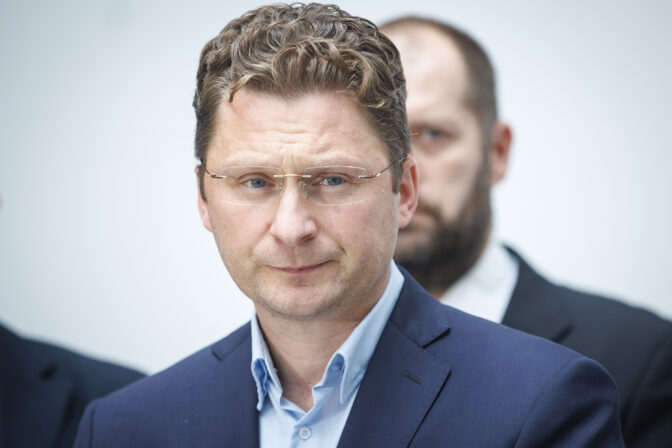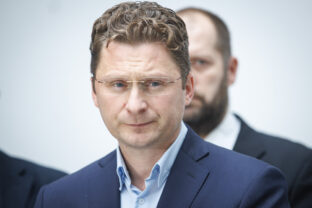
BRATISLAVA, April 16, (SITA)- Uncertainty worldwide has also influenced Slovakia’s financial sector. While the first half of last year saw a positive development commenced in 2010 a negative influence appeared in the second half. “Despite this it still applies that the state of the Slovak sector within the EU is very good and resistant against negative development,” said the executive director of the NBS financial market supervision department Vladimir Dvoracek.
Last year’s profit of the banking sector surged 34 percent to EUR 674 million. As the head of the NBS department of risks analysis Marek Licak continued the profit increased 90 percent over the first half but the growth pace slowed in the second half and the trend was moderately negative. One of the core reasons was according to him mainly the negative development on financial markets with reassessing securities, the growth from interest income slowed and the risk became more significant. The debt crisis influenced also Slovakia. The country’s banking sector felt its influence mainly in investments in Slovak government bonds, which also had a negative impact on profitability.
Banks did not abandon the traditional business focused on home economy last year, reported Dvoracek. Loans to households were growing and were nearing to the pre-crisis levels. According to Licak the market of households on which banks focus at larger extend is very important. Housing loans make up a significant portion and posted a positive development last year. However the second half saw a drop mainly because of lower demand by households; when confidence decreased the willingness to generate debts was smaller. Another influence was growth of interest rates. However the banks adjusted themselves to the trend and after strong competition appeared market shares have changed.
The central bank executes stress testing of banks twice a year. At the end of last year two scenarios were carried out: the first was the economic fall simulating the fall of the local economy and the latter was called the crisis of states. In both the sector showed good resistance, said Dvoracek.
SITA