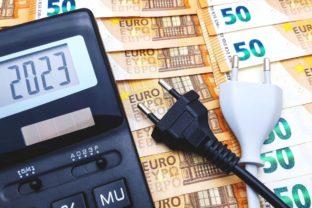
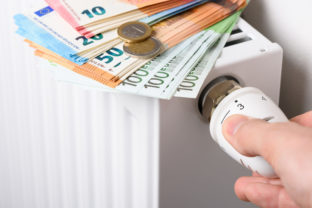
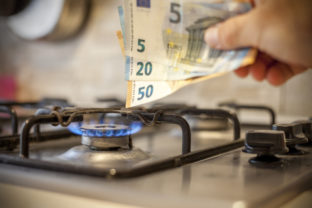
Rada slovenských exportérov vyzýva vládu na urýchlené prijatie nevyhnutných opatrení minimálne na celý rok 2023, tak ako to bolo urobené v prípade verejnej správy.
Súčasné trhové ceny energií sú naďalej oveľa vyššie ako platné ceny za dodávku elektriny a plynu pre domácnosti a mnohých zraniteľných odberateľov mimo domácností.
The Regulatory Office for Network Industries (URSO) assumes that consumers will spend 392 million euros on the support for green electricity this year. Last year, the plans stood at 364 million euros.
Current energy prices at the energy exchange give space for electricity and gas price reduction. The Regulatory Office for Network Industries, however, does not plan to open a new price-setting process and will let energy suppliers make decision on a possible price reduction.
Central and Eastern Europe have more advantageous purchase prices of natural gas compared to Western European countries. European Commission Vice President, Maros Sefcovic, wants to ensure that Eastern European gas markets will operate as well as Western Europe markets within the Energy Union.
The concept of the fight against energy poverty will be updated and submitted to the cabinet by the end of 2016. It means that the new government will combat energy poverty.
Koncepcia boja proti energetickej chudobe bude aktualizovaná a predložená vláde do konca roka 2016. Boj s energetickou chudobou tak čaká už novú vládu.
The Regulatory Office for Network Industries would like to reflect falling gas prices on markets into gas prices for households and small companies. The series of regulated gas price reduction are likely to continue.
According to the Financial Policy Institute, the full abolition of the regulation of electricity and gas prices for Slovak households could be considered in five years. It is necessary to achieve a certain degree of change of suppliers and market concentration.
While last year the Regulatory Office for Network Industries (URSO) worked with the price of 35.3072 euros per megawatt hour when setting this year’s electricity prices for households, this year it will be almost almost 2 euros less.
Currently, electricity producers are charged for the access to the grid for 30% of the installed capacity. According to a member of the board of directors of Zapadoslovenska Distribucna, Marian Kapec, it would be logical if manufacturers paid G-tariff at 100% of the installed capacity which could reduce the price of electricity for consumers.
The Regulatory Office for Network Industries has initiated the pricing procedure on its own initiative. The regulator refused to reveal how much gas prices for Slovak households and small businesses will decline.
Electricity producers who will decide to generate electricity via highly efficient combined heat and power in the combustion engine running on natural gas must expect lower purchase price from next year.
Slovakia’s energy regulator is slowly working on a new regulatory policy which will come into effect in 2017. It seems that the office will regulate energy prices for households and small companies also in the new regulatory period.